
Animal Chiropractic Care
Many people are surprised to learn that animals can benefit from chiropractic care as well. Whether you have a performance animal you’re looking to optimize for its sport, a pet recovering from an injury or showing signs of lameness, or an aging companion that needs support with mobility, chiropractic care can offer meaningful benefits for their overall health and comfort.
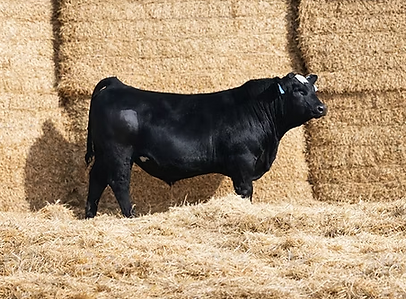
_edited.jpg)

Common Animals Treated:
-
Dogs
-
Cats
-
Horses
-
Cattle
-
Small ruminants (goats, sheep)
-
Exotic animals (with specialized training)
-
Performance and working animals
Important Notes:
-
Animal chiropractic should be performed by veterinarians or chiropractors with specialized training in animal chiropractic
-
It's often used as part of an integrative approach alongside veterinary care
-
Proper diagnosis by a veterinarian is essential before chiropractic treatment
-
Animal chiropractic is also called Veterinary Spinal Manipulative Therapy (VSMT)
-
Regular maintenance care can help prevent injuries in performance animals

Animal Conditions Chiropractic Care Can Help With:
Musculoskeletal Issues:
-
Back pain and stiffness
-
Neck pain and stiffness
-
Hip dysplasia
-
Arthritis (osteoarthritis)
-
Joint pain and inflammation
-
Muscle spasms and tension
-
Lameness
-
Gait abnormalities
-
Limping
-
Difficulty standing or lying down
-
Stiffness after rest or exercise
Spinal Conditions:
-
Intervertebral disc disease (IVDD)
-
Spondylosis
-
Vertebral misalignments (subluxations)
-
Sacroiliac joint dysfunction
-
Lumbosacral disease
-
Cervical instability
-
Spinal stenosis
Performance Issues (Horses & Working Animals):
-
Reduced performance
-
Difficulty with leads or transitions
-
Resistance to saddle or bridle
-
Head tossing
-
Tail wringing
-
Bucking or rearing
-
Shortened stride
-
Uneven gait
-
Difficulty with collection
-
Refusing jumps
-
Poor athletic performance
Preventive & Maintenance Care
-
Regular maintenance for working animals
-
Performance optimization
-
Injury prevention
-
Post-competition recovery
-
Maintaining flexibility and range of motion
-
Supporting overall wellness
Postural & Alignment Issues
-
Uneven weight distribution
-
Compensatory movement patterns
-
Muscle imbalances
-
Pelvic misalignment
-
Shoulder asymmetry
-
Crooked tail carriage
Chronic Conditions (Supportive Care)
-
Chronic pain management
-
Degenerative joint disease
-
Long-term mobility support
-
Quality of life improvement
Neurological Symptoms
-
Nerve impingement
-
Weakness in limbs
-
Dragging toes or knuckling
-
Loss of coordination
-
Proprioceptive deficits
-
Tail paralysis or weakness
-
Incontinence related to nerve issues
Injury-Related Conditions
-
Sports injuries
-
Trauma from falls or accidents
-
Post-surgical rehabilitation
-
Soft tissue injuries
-
Sprains and strains
-
Compensatory injuries from favoring limbs
-
Repetitive strain injuries
Behavioral Changes Related to Pain
-
Aggression or irritability
-
Reluctance to be touched or groomed
-
Difficulty being saddled or harnessed
-
Resistance to exercise
-
Changes in temperament
-
Sensitivity to touch along spine
-
Reluctance to climb stairs or jump
Canine-Specific Conditions
-
Hip dysplasia
-
Elbow dysplasia
-
Patellar luxation
-
Cruciate ligament issues
-
Degenerative myelopathy (supportive care)
-
Wobbler syndrome
-
Cauda equina syndrome
-
Difficulty with stairs or jumping into cars
Feline-Specific Conditions
-
Reluctance to jump
-
Difficulty using litter box
-
Reduced grooming ability
-
Hiding or withdrawal behavior
-
Sensitivity when being picked up
-
Changes in sleeping positions
Equine-Specific Conditions
-
Kissing spine syndrome
-
Sacroiliac joint problems
-
Poll and TMJ issues
-
Difficulty flexing at the poll
-
Uneven muscle development
-
Cold-backed behavior
-
Difficulty with lateral movements
-
Asymmetrical movement
Geriatric Animal Issues
-
Age-related stiffness
-
Reduced mobility
-
Difficulty rising
-
Decreased activity levels
-
Chronic pain management
-
Maintaining quality of life